War in Ukraine: Support for children and families
The war has been devastating for every child. UNICEF and partners are on the ground providing support for those in need.

More than four years since the war in Ukraine escalated, ongoing attacks continue to take a staggering toll on children and their families. Millions of children are living in constant fear as they endure relentless hostilities, prolonged and repeated displacement and severe shortages of essential resources including safe water, electricity, and other necessities.
For many children inside and outside Ukraine, the war has wiped out more than four years of schooling, playtime with friends, and moments spent with loved ones, robbing them of their education and happiness, wreaking havoc on their mental state.
UNICEF was in Ukraine before the war started in 2014 and increased its reach when it escalated in 2022, staying to deliver for children. We stand with the children of Ukraine and will continue working with partners to support them through the war and beyond.
Latest updates and stories | What’s happening | Impact on children
UNICEF’s response | What we’re calling for | Situation updates | Latest appeal
Support UNICEF’s work for children



What’s happening in Ukraine?
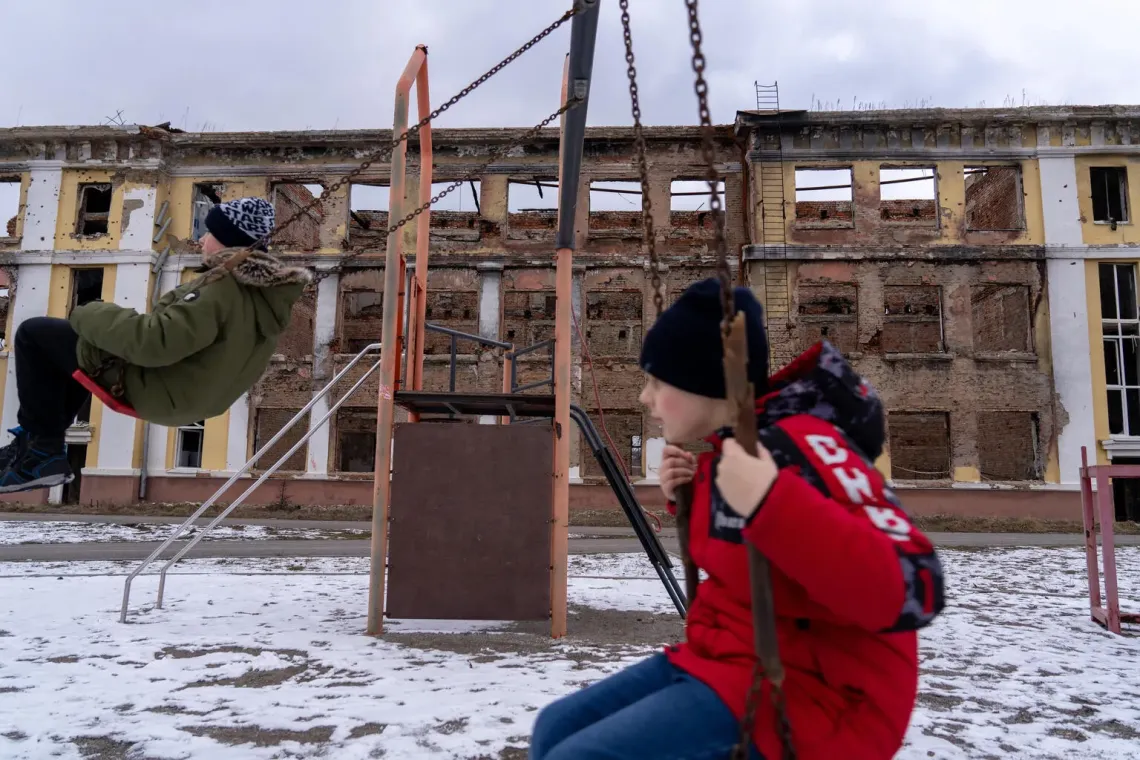
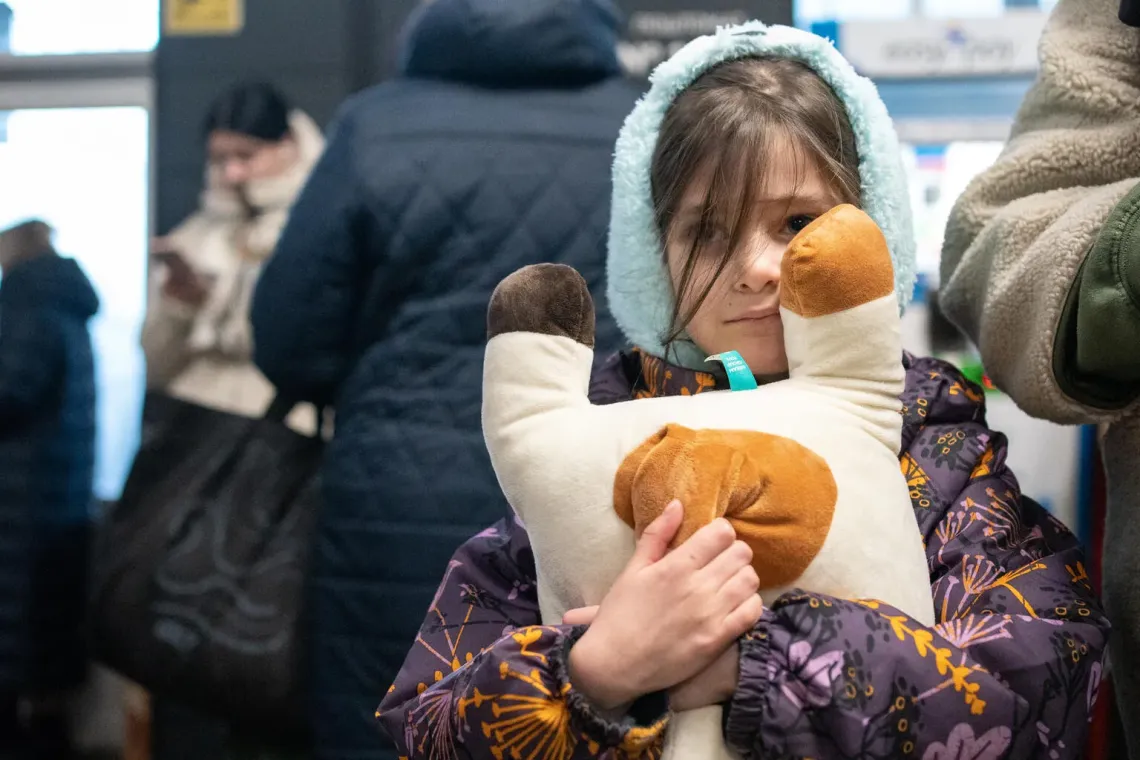
Ukraine’s children are paying an extraordinary price in lives lost and upended. The war has resulted in death, injuries and mass displacement, with millions of people forced to flee their homes. Children are being robbed of their childhoods, of time with friends and family, of a peaceful life. They bear invisible scars and trauma that may take a lifetime to heal.
The war has caused significant damage to vital infrastructure, severely impacting access to electricity, heating, water and telecommunications. Families’ incomes and access to services have been decimated. Pre-schools, primary and secondary schools have been damaged or destroyed by bombing and shelling, disrupting the education of Ukraine’s children, with potentially lifelong consequences. The upheaval of war has created a particularly challenging situation for displaced children, those living in institutions, and children with disabilities.
Impact on children
Schools and other educational facilities are not only places of learning – they also provide a crucial sense of structure and safety for children. Millions of children across the country continue to have their education disrupted, with many schoolchildren unable to access in-person school at all.
Meanwhile, many children who have sought refuge in neighbouring countries are also struggling to access education, health care, and protection services, and, as the war rages, face the prospect of long-term displacement and deprivation.
The war in Ukraine is robbing children of stability, safety, school, friends, family, a home and hopes for the future. The mental wounds of the war could affect children well into adulthood. To avert a generation of children scarred by the conflict, their mental health and psychosocial needs must be prioritized. This should include age-appropriate actions to provide nurturing care, build resilience, and especially for older children and adolescents, give them opportunities to voice their concerns and realize their own agency.
Support must also be provided to parents and caregivers to help them deal with the distressing effects the war and displacement have had on them. This will ultimately equip them to also better support their children’s mental well-being.
The war sparked displacement on a scale and speed not seen since World War II – with far-reaching impact across the region and beyond.
UNICEF welcomes the international solidarity shown to Ukraine’s children and to those across the globe negatively impacted by the war. But as the conflict and displacement continues, sustained support is needed across the region to ensure refugee children are not left out.
Latest updates and stories
How is UNICEF helping children and families?
UNICEF has been working in Ukraine since 1997 and scaled up its work following the outbreak of conflict in 2014 and full-scale war in 2022. UNICEF works with national and local authorities, as well as civil society organizations – in Ukraine and across refugee hosting countries – to deliver emergency assistance and recovery programming.
Inside Ukraine, this includes:
- Heating and winter support: Ensuring the functionality of heating infrastructure and energy systems, and providing cash assistance, solid fuel, winter clothing, and blankets.
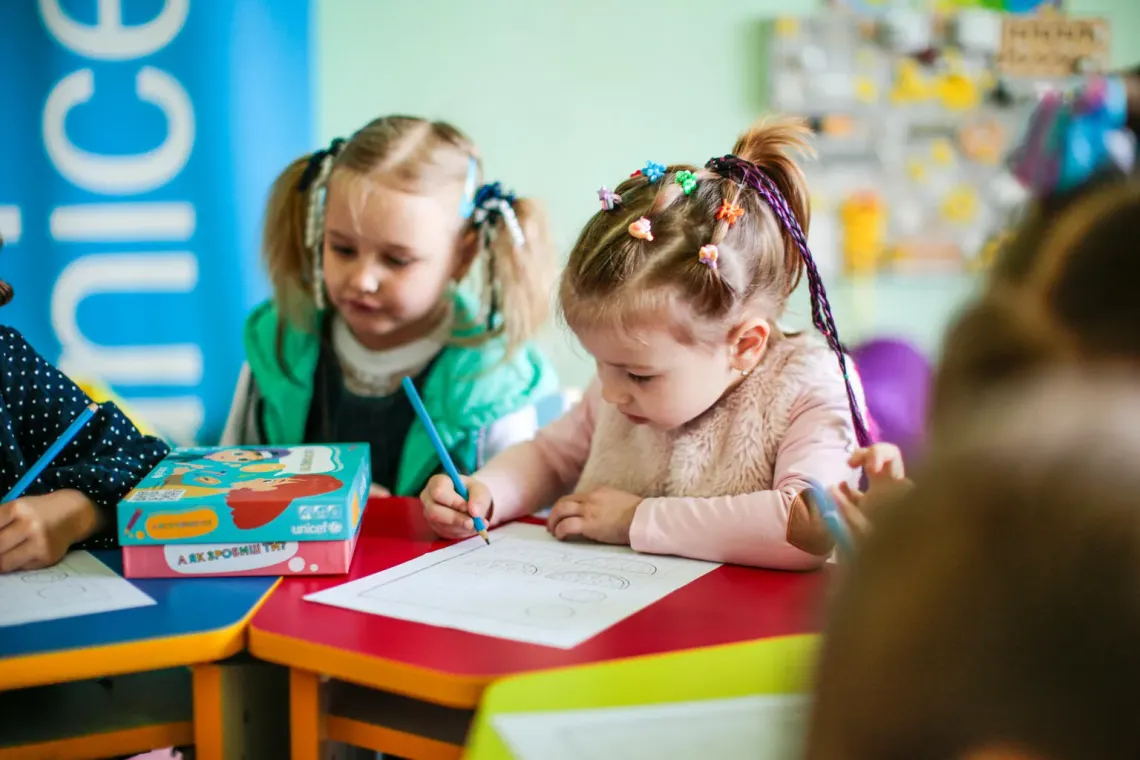
- Education: Rehabilitating school shelters, training teachers, and engaging children in formal and non-formal education, including catch-up classes.
- Mental health: Reaching children and caregivers with psychosocial support through mobile teams and trained social workers.
- Water and sanitation: Enabling access to safe water where networks have been damaged, rehabilitating systems, and providing hygiene supplies.
- Healthcare: Improving access through nurse home-visits and strengthening the primary health care system.
- Cash assistance: Reaching vulnerable households and those affected by strikes with multi-purpose cash assistance.
- Child protection: Protection services for at-risk children and reintegration support for children returning to Ukraine.
In neighbouring countries, UNICEF support includes:
- Working with local governments and refugee-hosting municipalities to provide access to formal and non-formal education for refugee children.
- Enabling access to safe water for drinking and domestic needs.
- Supporting ministries of health in neighbouring countries to provide access to primary health services to refugee women and children.
- Reaching households with cash transfers.

Moving forward
To better protect Ukraine’s children and prioritize their future, UNICEF calls for:
- Peace, for every child: A real and sustained peace where every child can realize their rights and thrive.
- Protection from the impact of war: Ending grave violations against children and protecting civilian infrastructure like schools and health facilities.
- Prioritizing recovery and development: Ensuring that development plans and budget allocations prioritize the best interests of children and young people.
- Investment in early childhood development: Strengthening the health system to prevent maternal and child mortality and provide a better start to life.
- Learning and skills: Scaling up access to safe in-person schooling to tackle learning losses and support mental health.
- Nurturing family environments: Strengthening families to keep them together by addressing child poverty and investing in social protection systems.
- Flexible and quality funding: Maintaining lifesaving assistance while scaling up development work.
Updated 3 August 2026